

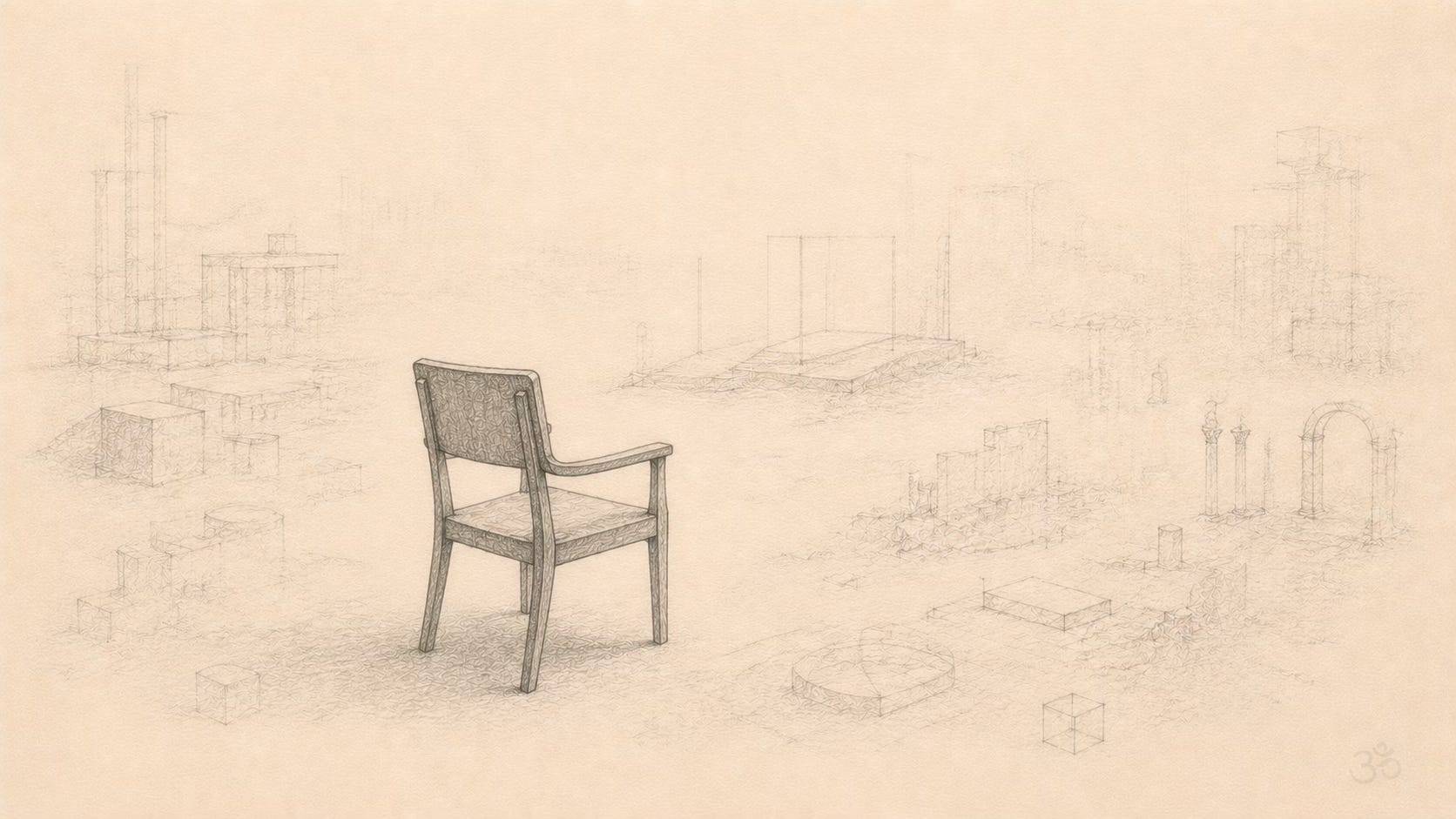
Walk into any organisation and look at what the last technology leader built.
Most of it is already being revised.
The platforms are being replaced. The strategies are being rewritten. The teams are being reorganised. The roadmap that defined the previous tenure has been quietly retired. Within two or three years of a leader leaving the seat, the visible work of their tenure is largely gone.
This is the uncomfortable truth about technology leadership. The work that is most visible during a tenure is rarely the work that endures. The leader who measures their legacy by what they built is measuring the thing most likely to be replaced.
Something else endures. It is harder to see and harder to build. But it is the only thing that lasts.
What Does Not Endure.
The instinct of most technology leaders is to build. A new platform. A new capability. A new operating structure. A new strategy. The tenure is measured by what was delivered. The recognition system rewards the visible artefact.
But artefacts are replaced. Every platform is eventually superseded. Every strategy is eventually revised by a successor who sees the landscape differently. Every team structure is eventually reorganised. The half-life of a visible technology artefact is short. A leader who measures their legacy by these things is measuring a depreciating asset.
This is not a criticism of building. Building is the work of the tenure. The platforms and capabilities matter while they are in service. The error is in the measurement. The leader who believes the platform is the legacy has confused the work of the tenure with what the tenure leaves behind.
What Actually Endures.
What endures is not what the leader built. It is the judgement the leader embedded in how the organisation works.
Embedded judgement is the operating model that keeps producing good decisions after the leader has left. It is the disciplines that have become part of how the technology function operates rather than part of what the leader personally enforced. It is the institutional memory that holds the reasoning behind decisions so the next leader inherits understanding rather than only outcomes.
Embedded judgement does not depreciate the way artefacts do. A platform is replaced. The discipline of how the organisation decides what to build next is not replaced when the platform is. It carries forward. It shapes the next platform and the one after that. The leader who embedded the judgement is no longer in the seat, but the judgement is still operating.
This is the difference between what a leader builds and what a leader leaves. What they build is the artefact. What they leave is the judgement that produced the artefact and will produce the next one.
What I Have Witnessed.
I encountered embedded judgement first in my own early career, at Kanbay, the first company I worked for.
Two things from that organisation stayed with me long after I left it.
The first was a culture of genuine openness. In the early 2000s, before open plan offices were common, Kanbay had built one deliberately. As a fresh graduate I could walk to the chief executive’s desk and have a discussion. And everyone, from the chief executive to the person cleaning the floor, was addressed by their first name. That choice ran directly against the local professional culture of the time, where seniority and grade were marked with Sir and Ma’am. Kanbay chose the opposite deliberately. Designation did not determine whether your thinking was heard, and it did not determine how you were addressed. That culture was not a policy document. It was embedded in how the organisation actually worked. It shaped how I have thought about leadership ever since.
The second was an emphasis on building solid domain knowledge alongside systems knowledge and technical depth, all of it in service of delivering real value to the client. Kanbay did not treat technical skill as sufficient on its own. It insisted that technical skill without domain understanding produced the wrong outcomes. That conviction became part of how I work.
Neither of these was a platform or a system. Both were embedded judgement. And I am still carrying both of them, decades later, into organisations that have no connection to Kanbay at all.
What I Have Seen Endure From My Own Work.
The same recognition applies to my own tenure. The work of mine that has endured is not the work that was most visible while I was doing it.
Four disciplines have outlasted my direct involvement.
The rigour of systems thinking applied to problem solving. Not the solution to any particular problem. The discipline of approaching problems as systems with interacting parts rather than as isolated faults.
The discipline of capturing the problem statement, the reasoning behind a decision, and the trade-off that was accepted. Not the decisions themselves. The practice of recording why a decision was made so that whoever inherits it can evaluate it in its original context.
The decision to commit to Domain Driven Design when others opposed it on the basis of past failures. The position was not popular when I held it. What endured was not the architecture itself. It was the demonstration that a well reasoned position, held against resistance, can reshape how an organisation designs.
And making the platform the centre of the decision rather than personal ambition or who happened to be right. This is the one I value most. When the platform is the centre, the decision outlives whoever made it, because the decision was never about them.
None of these four was a built artefact. All of them were embedded judgement.
The Judgement That People Carry Forward.
The most durable carrier of embedded judgement is not a system. It is a person.
I have watched my own work carried forward in two directions.
Within the organisations I have worked in, people who were inspired by a way of working, or who worked directly alongside it, carried it forward after I had moved on from the role. The judgement stayed because the people stayed and carried it. The discipline did not need me present to continue. It had been absorbed by people who made it their own.
And beyond those organisations. People who absorbed a way of thinking carried it into other organisations entirely. When they moved on, the judgement moved with them.
I have watched several pieces of my own work travel this way. The discipline of capturing key decisions, the problem statement and reasoning and trade-off recorded together. An approach to governance that was open and adaptive rather than rigid. A simple model for structuring accountability, copied many times, sometimes directly in front of me, by people who no longer associated it with me at all.
The Domain Driven Design position from that programme has travelled furthest. It has since been quietly adopted across the wider organisation as the core operating model. A specific architectural position that went with it, taken against the prevailing strategic view of the time, has been quietly adopted in other areas too.
I have taken all of this as a quiet compliment. A piece of work that has to carry your name to travel has not really become embedded judgement. A piece of work that travels without your name has. It has stopped being yours and become something people simply use.
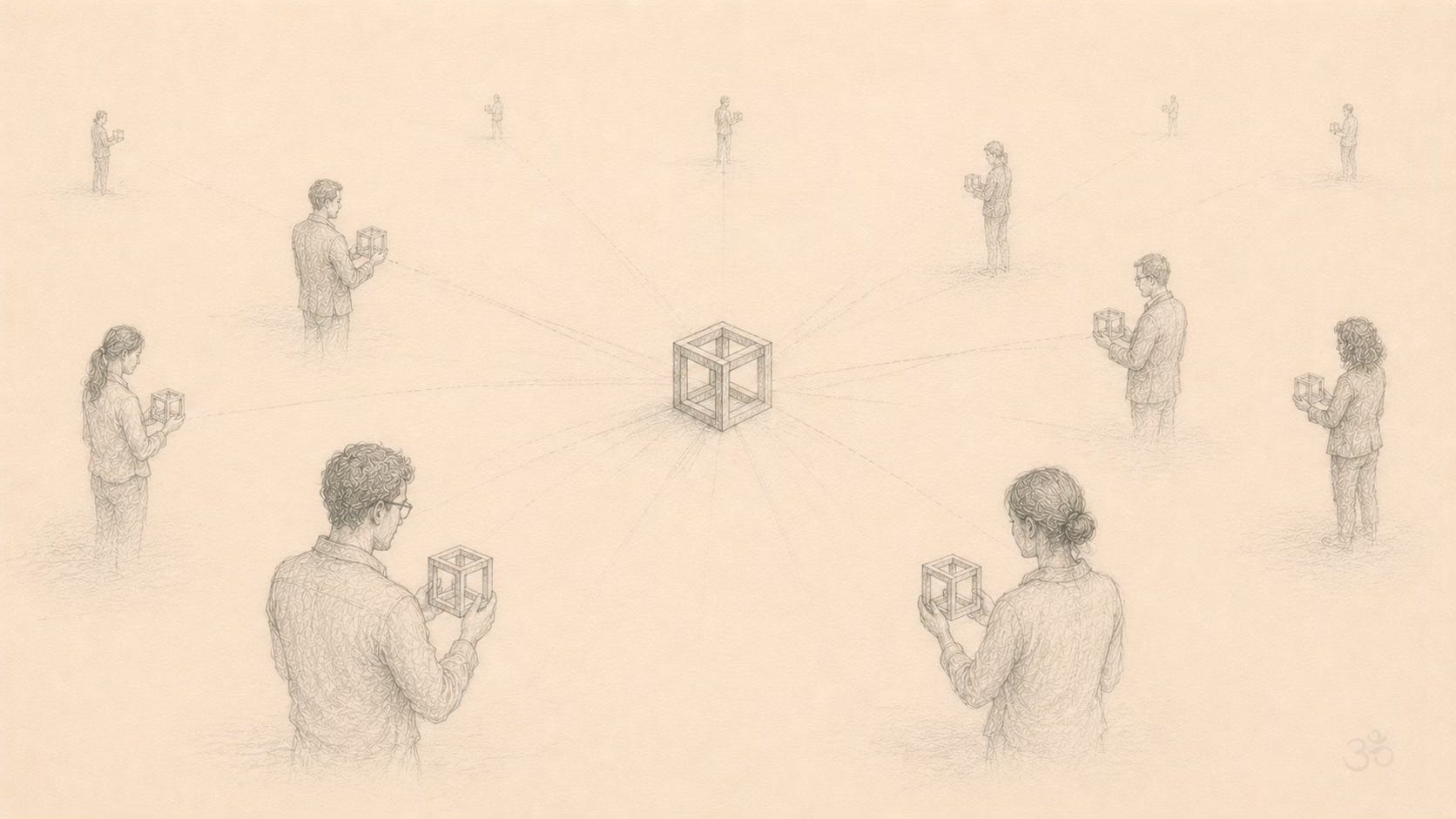
This is the deepest form of the legacy. Embedded judgement carried by people is not bounded by the organisation where it was formed. It propagates. It moves through careers into organisations the original leader will never work for and may never hear about.
My own experience is the proof of this from the receiving end. Kanbay embedded judgement in me. I have carried it for decades, into every organisation I have worked for since. Kanbay’s legacy is operating, through me, in places Kanbay has no connection to. Every leader who embeds judgement well is doing the same thing. They are not leaving a legacy contained within one organisation. They are setting something in motion that travels.
Decisions Others No Longer Have to Revisit.
Embedded judgement has a visible signature. You can recognise it when you see it.
It looks like decisions others no longer have to revisit. The leader whose judgement was embedded well leaves an organisation where certain questions are settled. The architecture principles do not have to be re-argued every time a new platform is proposed. The discipline of capturing reasoning is automatic rather than imposed. The mistakes that the judgement prevents are no longer made, because the judgement that prevents them has become structural.
An organisation carrying well embedded judgement moves differently. It does not relitigate settled questions. It does not rediscover the same lessons every few years. It does not depend on any individual being in the room for good decisions to be made.
This is the practical test of a leader’s legacy. Not what they built. What the organisation no longer has to revisit because the leader settled it well enough that it stayed settled.
The Leader Becoming Unnecessary.
This leads to the conclusion the season has been building toward.
**The true legacy of a technology leader is to become unnecessary. The work continuing correctly without them. The judgement operating after they have left the seat.
This runs against the instinct of most leaders. The instinct is to be essential. To be the person without whom the function does not work. But the leader who is essential has built nothing that endures. The moment they leave, the thing that depended on them degrades. Being needed is not the same as being effective. The leader who is genuinely effective is building toward their own redundancy.
The leader who makes the platform the centre rather than themselves is already practising this discipline. They are embedding judgement that does not depend on them. They are settling questions that stay settled. They are building an organisation that will not need them. That is not a loss of importance. It is the only form of importance that lasts.
What the Season Has Been For.
This is where the season’s argument has been leading from the first post.
The season opened with a question. When execution becomes abundant, what is leadership actually for. Twelve posts have built the answer. When execution becomes abundant, leadership is defined by restraint, proof, and consequence. Restraint, because the constraint is no longer capability but judgement. Proof, because confidence is not a sufficient standard. Consequence, because the decisions a leader makes outlive the moment in which they are made.
The consequence, finally named, is this. What a leader leaves behind is the judgement they embedded in how the organisation works and in the people who carry it forward. The platforms will be replaced. The strategies will be revised. The visible work of the tenure will be quietly retired. What endures is the judgement. The decisions others no longer have to revisit. The discipline that operates without the leader who established it. The way of thinking that people carry into rooms the leader will never enter.
If you have followed this season from the first post, you have been building toward this recognition across all twelve. The recognition is now yours to carry. That is how it was always going to work. The judgement does not endure in the writing. It endures in what you do with it.
That is the work that outlives the seat. It is the only work that does.
The Sutra
The seat is left behind. The judgement is carried forward. That is the only legacy that lasts.
If you found this useful, the likelihood is someone you know is asking the same question. Pass it on.