

Long after leaders move on, systems keep enforcing their decisions.
Not the intent behind them.
Not the context they were made in.
Just the decisions themselves.
That is legacy.
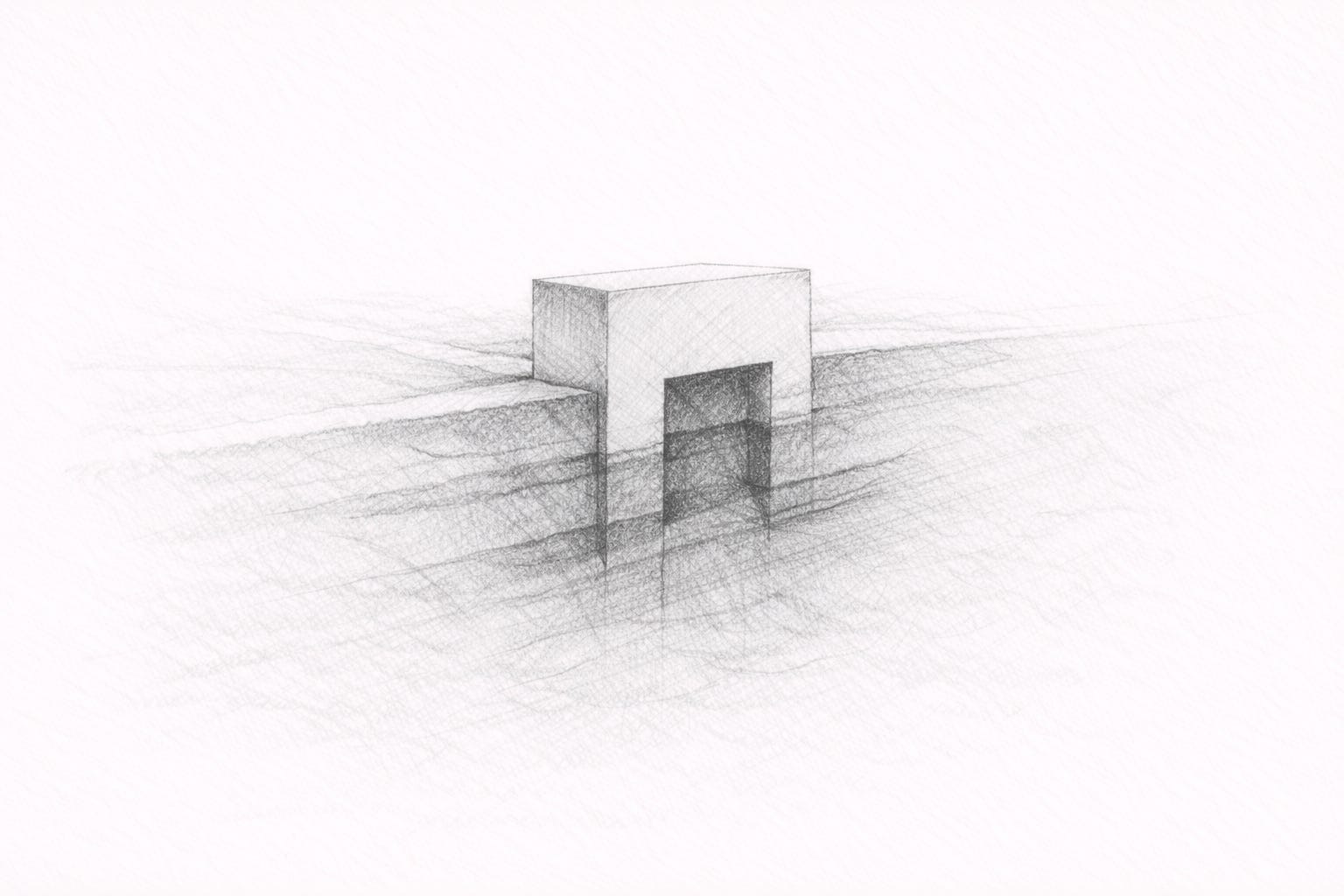
Systems as Memory
We often talk about systems as tools.
Platforms.
Pipelines.
Architectures.
However, systems are also memory.
They remember:
which decisions were made quickly?
which shortcuts were tolerated?
which compromises became defaults?
They encode assumptions and replay them every day, long after the people who made them have left the room.
Architecture is not just structure.
It is memory with consequences.
When Temporary Becomes Permanent
One of the clearest lessons I have learned is how often temporary decisions outlive their context.
A synchronous integration pattern introduced for a partner interaction that should have been asynchronous.
Long SLAs treated as acceptable because delivery pressure was high.
Analytical capability areas repurposed to plug a gap in a product driven customer journey.
At the time, these decisions felt contained.
Pragmatic.
Reversible.
They were not.
I remember the moment it became clear that the system had moved on without us.
What we thought was temporary had become assumed.
The system remembered it.
Future designs worked around it.
Teams adapted to it.
What began as a tactical choice became structural reality.
Systems do not forget urgency.
They internalise it.
The Inheritance We Rarely Question
Some of the most powerful forces shaping systems are the ones we inherit.
Data models filled with flags.
Hundreds of them.
Each one added with intent.
Few ever removed.
Over time, those flags became a language of their own.
Logic scattered across the ecosystem.
Behaviour defined by combinations no one fully understood.
Alongside this, architectural boundaries were drawn not by how domains should be scoped, but by available skill sets.
Who could build it.
Who could support it.
Who was ready now.
These decisions made sense at the time.
But systems do not remember why boundaries were drawn.
They only remember that they exist.
New teams inherit these shapes as facts.
Not as choices.
That realisation was uncomfortable.
When Context Fades but Consequences Remain
What makes legacy difficult is not that decisions were wrong.
It is that context fades faster than consequences.
The pressure that justified a shortcut disappears.
The deadline that forced a compromise is forgotten.
What remains is the system.
Enforcing behaviour.
Constraining change.
Teaching new teams how things work here.
Often without explanation.
Systems train people more than leaders do.
How Legacy Changed How I Decide
These experiences have changed how I approach decisions today.
I spend more time deliberating on long term state.
Not as an abstract end point, but as a direction.
I ask how each step moves us closer or further away from that state.
I pause longer on why before jumping to how.
And I think deliberately about the teams I will never meet.
The people who will inherit decisions without the benefit of context.
Legacy is not about getting it right forever.
It is about leaving systems that are understandable, adaptable, and kind to their future owners.
Responsibility Beyond Tenure
Leadership does not end when delivery does.
Architectural responsibility extends beyond presence.
Decisions should assume:
context will be lost
documentation will age
intent will fade
What remains must still make sense.
Reversibility matters.
Clarity matters.
Simplicity matters.
Not because systems must be perfect.
But because someone else will live with them.
🧭 Summary: What Legacy Teaches Us
Systems remember decisions, not intent
Temporary choices often become permanent
Inherited structures shape behaviour silently
Context fades faster than consequences
Leadership responsibility extends beyond tenure
🧭 The Legacy Sutra
Systems remember what leaders forget.
Which temporary decisions in your system are now impossible to undo?
Which inherited structures quietly shape behaviour today?
And what will your systems teach the people who come after you?
Jeeban - taking a leaf out of your article - “Leadership does not end when delivery does. Architectural responsibility extends beyond presence.” This is so true, the decision be it tactical or strategic will leave an impact for the future - and that’s what the leader needs to see, take the time to reflect and see what’s the legacy they want to leave behind.
I loved reading this.