Element: Water (Jala) - Flow, Adaptation, and the Quiet Discipline of Listening
Why systems stay healthy only when they can hear themselves
Water does not move blindly. It senses pressure, reads resistance, and adjusts its path.
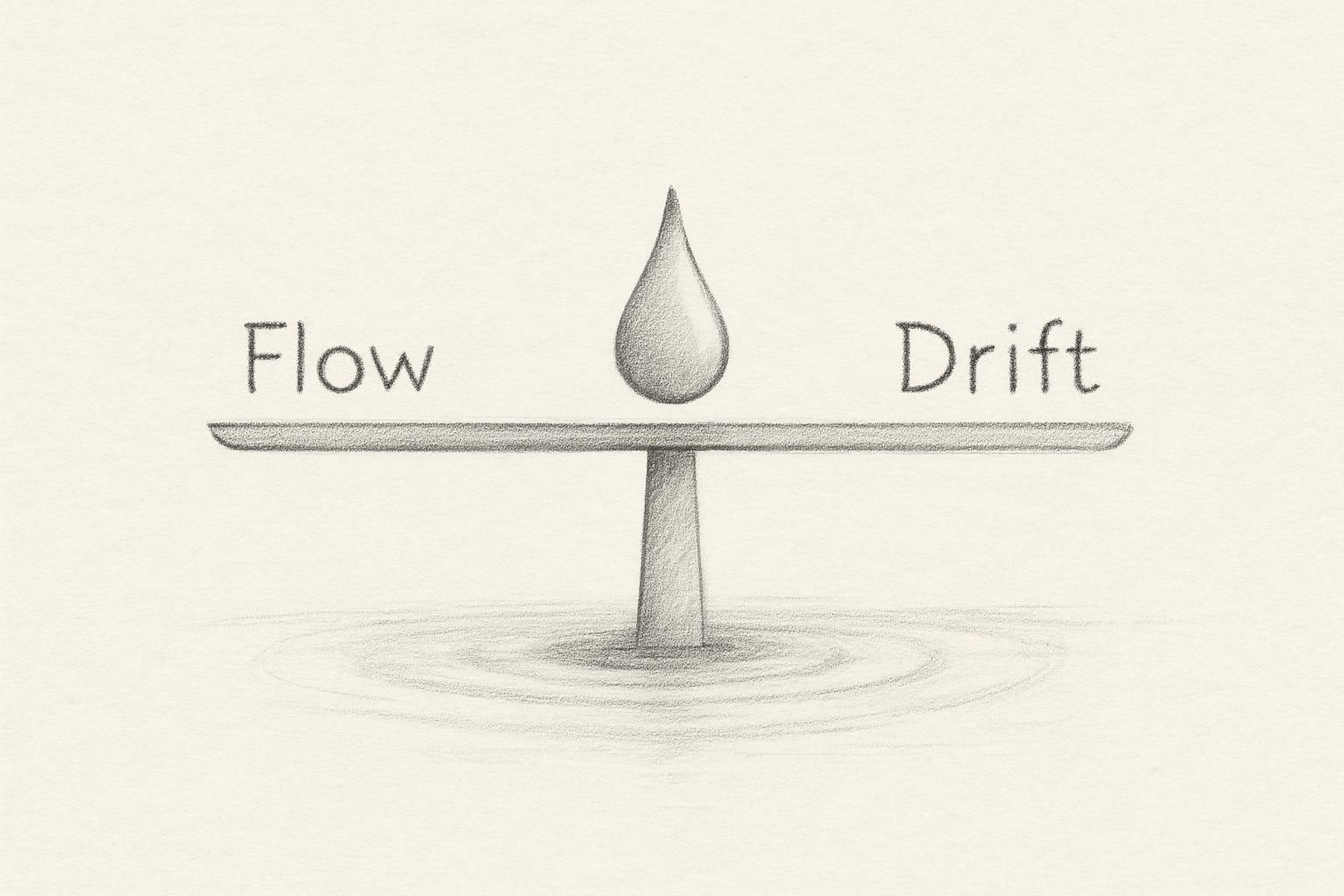
Systems must do the same. Without feedback, motion becomes drift.
A Platform That Moved Faster Than Its Own Insight
I once worked on a new financial platform designed to handle massive scale.
We had clean diagrams, modern patterns, and high confidence.
Everything felt fresh and under control.
Reality had other plans.
When the first wave of pricing updates arrived, it hit us like a flood.
Tens of thousands of pricing changes flowed in at once.
Billing volume surged.
Statement generation, something that looked simple in architecture reviews, began slipping behind schedule.
One Friday evening, the turning point arrived.
Thirty percent of statements failed to generate.
Customers were charged late fees they did not owe.
Support tickets spiked.
And the strangest part was this:
The system gave us no signals.
No warnings.
No indicators.
No sense of where the pressure was building.
The platform was not failing loudly.
It was failing quietly.
Teams debated based on assumptions rather than facts.
Engineers were frustrated but blind.
Every fix felt like guesswork.
The platform was moving like water forced through a narrow channel, but without the ability to sense where it needed to adapt.

The Realisation: Blind Motion Is Not Flow
After another long day of investigations, someone finally said what needed to be said:
“We are not scaling badly.
We are scaling without insight.”
It was the most accurate diagnosis of the entire programme.
Our issue was not speed.
Not throughput.
Not latency.
It was the absence of feedback.
A system that cannot sense itself cannot protect itself.
And it certainly cannot scale.
Water learns its path through continuous feedback.
Systems require the same discipline.
Feedback Turns Motion Into Learning
Feedback is not the presence of dashboards.
It is not the presence of logs.
It is not the presence of alerts.
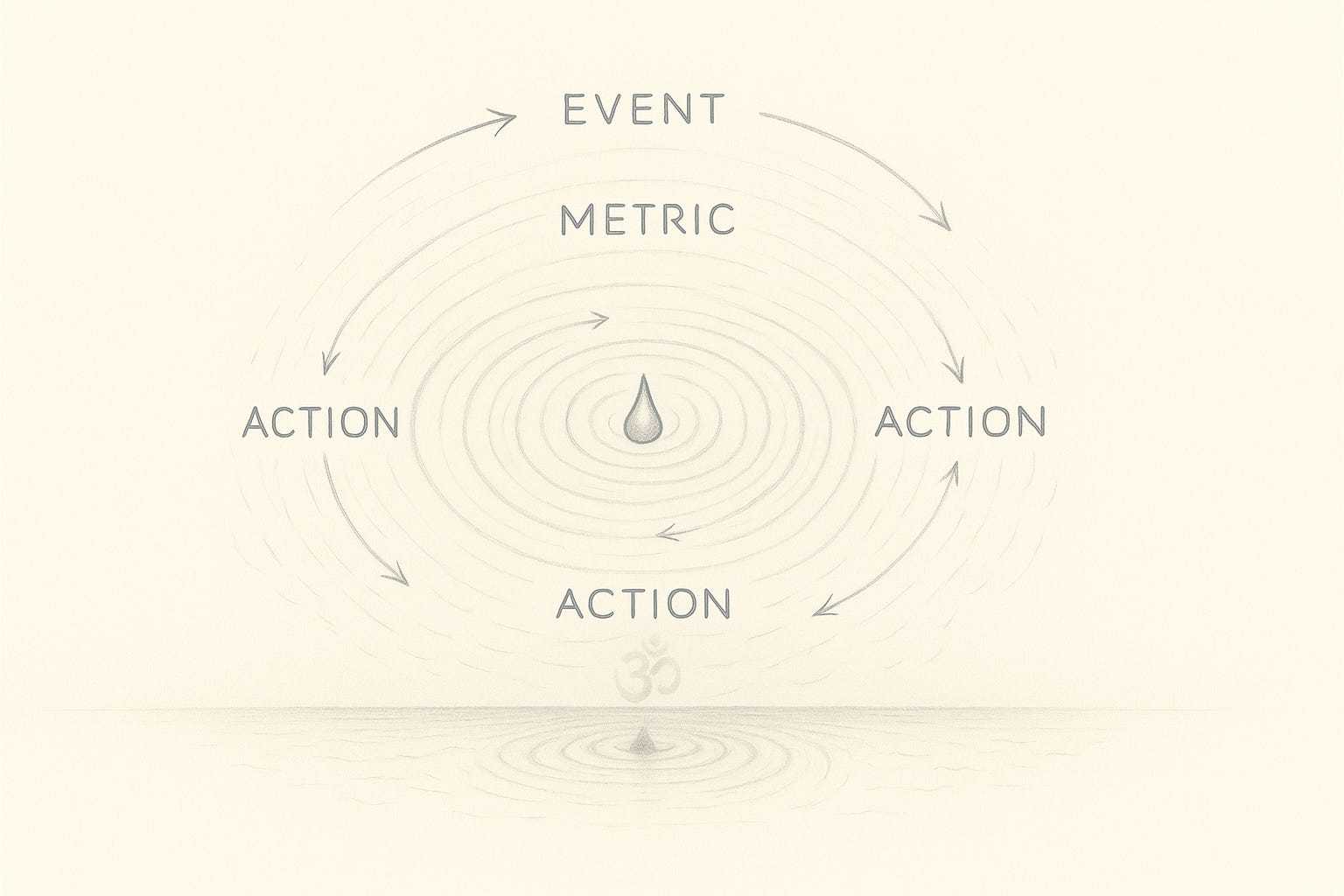
Feedback is the connection between what the system does and what the system understands about its own behaviour.
It is the loop where reality informs improvement.
Here is how we built that loop.
1. Understanding the Layers of the System
Before adding instrumentation, we stepped back and mapped the layers:
Pricing — relational rules, versioned changes, contractual definitions
Billing — high volume, event processing, enrichment
Statements — aggregation, formatting, delivery
Each layer depended on the accuracy, timing, and behaviour of the previous one.
But none of them emitted clear signals.
We needed the system to narrate its own state.
2. Micro-Batch Streams: Giving the Flood a Pulse
Billing could not digest millions of events in one sweep.
So we converted the pipeline into micro-batches:
small sets of hundreds
frequent processing intervals
strict time budgets
Each micro-batch emitted:
processing time
success and failure counts
retry signals
backlog growth
enrichment accuracy
For the first time, we could see latency rising upstream before it overwhelmed downstream systems.
We had turned a flood into a heartbeat.
3. Backpressure: Teaching the System to Respect Its Limits
When statement generation fell behind, it used to accept everything.
The backlog grew silently until it became unmanageable.
Backpressure changed this.
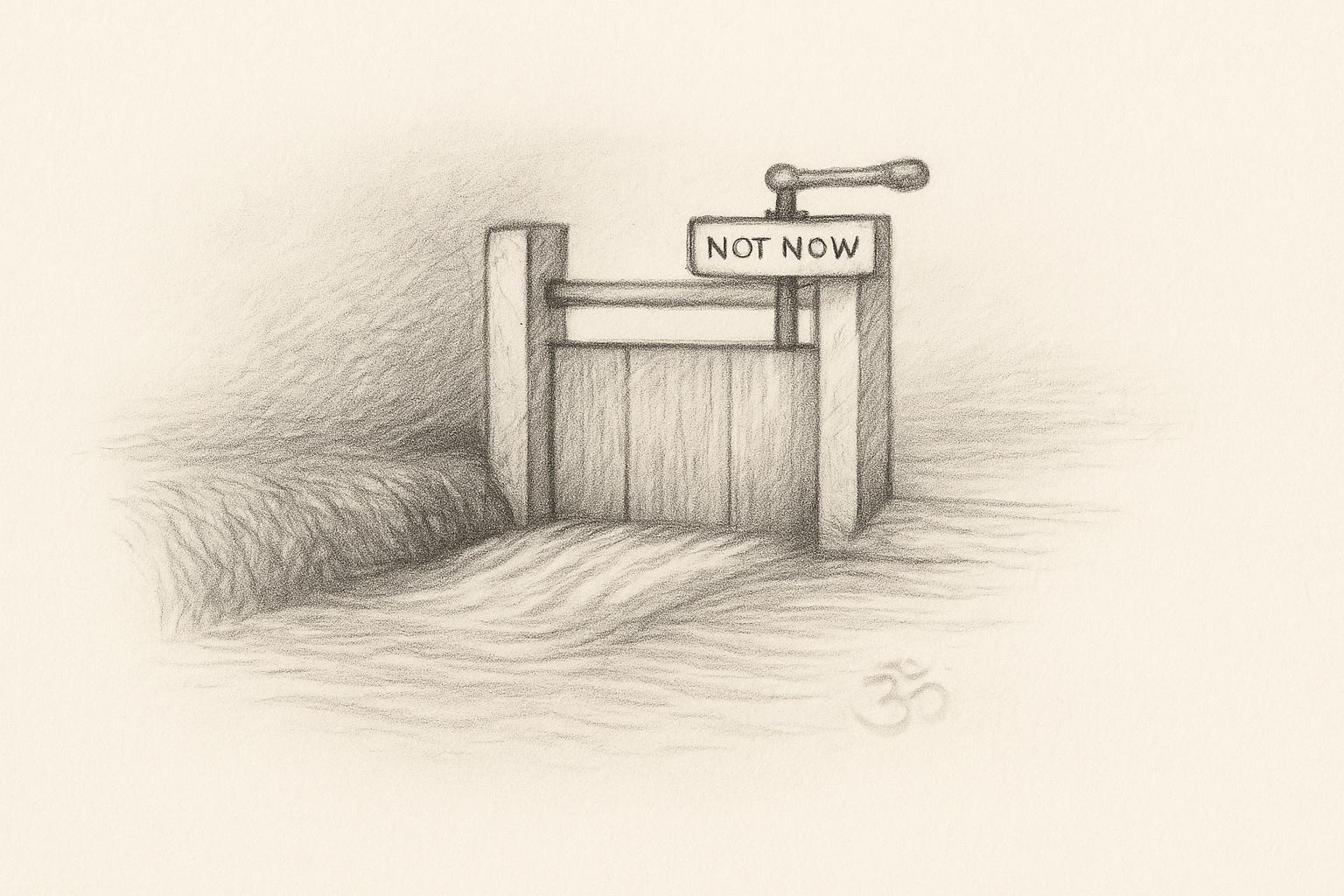
We taught the system to push back:
slow the upstream feed
return “retry later” signals
shed non-critical load
preserve capacity for customer-critical tasks
Instead of collapsing under pressure, the system now bent gracefully.
Water cannot choose its upstream.
But systems can.
4. Visibility Through SLOs: Giving the System a Voice
We created clear Service Level Objectives:
pricing propagation within 30 minutes
billing micro-batch latency under 5 minutes
statement backlog under one day
Then we instrumented logs, traces, and metrics tied to these SLOs.
Instead of discovering problems after customers felt the pain, we saw the early tremors.
Mean Time To Detect collapsed from hours to minutes.
Mean Time To Recovery improved by nearly half.
The system had begun to speak.
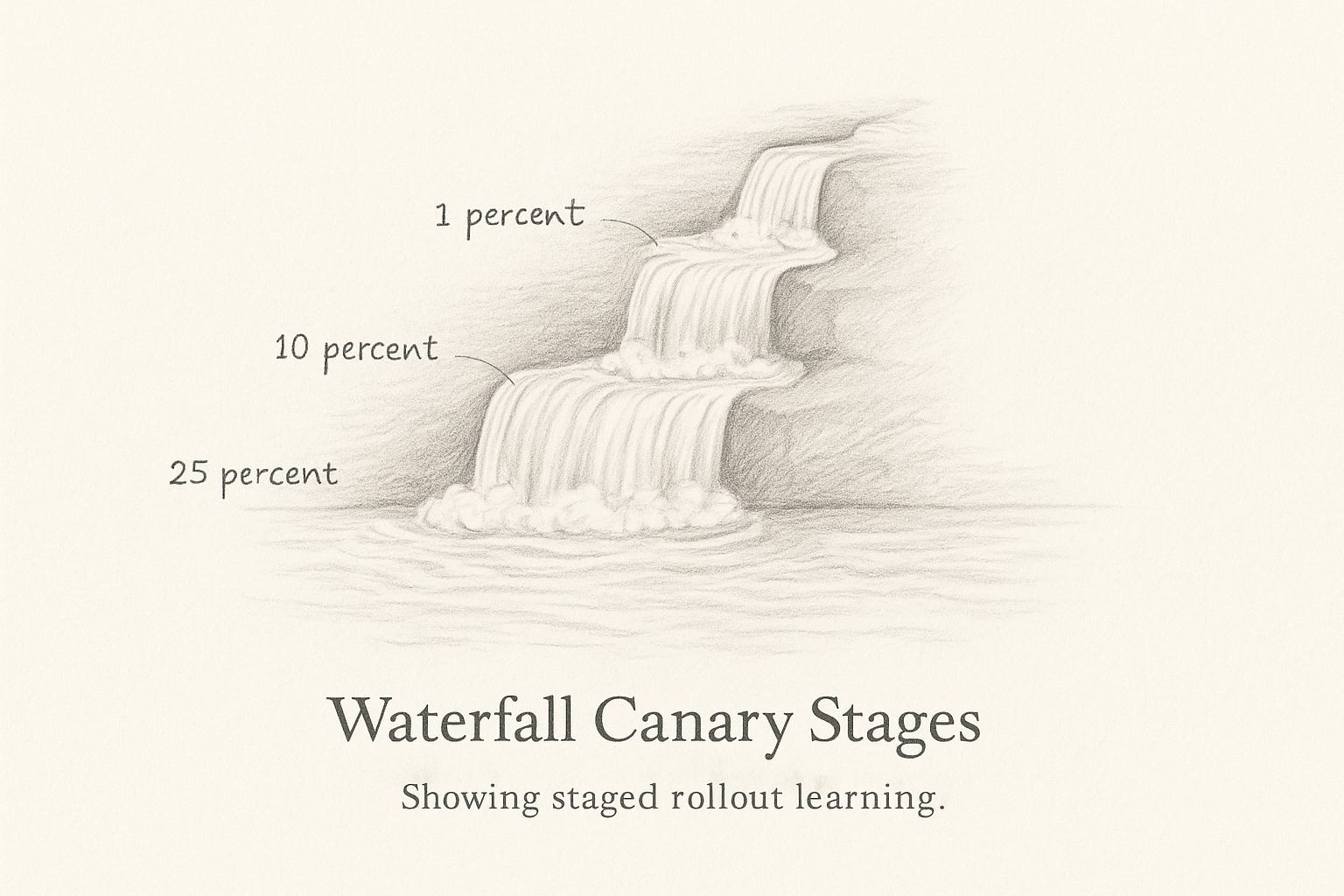
5. Canary Rollouts: Learning From Reality in Safe Steps
We stopped launching changes all at once.
Instead, we moved like a river entering a new channel:
1 percent
10 percent
25 percent
100 percent
At each stage, we measured:
drift in latency
drift in error rates
drift in reconciliation outcomes
drift in billing accuracy
The system learned from reality, not assumption.
And so did we.
Where in your system does work enter faster than insight? Where is the flow ahead of the feedback? This is where drift begins.
What Feedback Changed
Before feedback, everything felt brittle.
After feedback, everything felt alive.
We could see when pricing changes slowed.
We could see when billing fell behind.
We could see when statements approached danger thresholds.
We could see before customers could feel.
The system was not perfect.
But it had awareness.
And awareness is the first form of resilience.
Sutra: Flow Comes From Listening
“Systems fail in silence and improve in dialogue.”
“Feedback turns motion into wisdom.”
Rivers thrive because they sense.
Systems thrive when they listen.

Reflection
What is one signal your system needs in order to learn?
Subscribe to Systems and Sutras
If this reflection resonates with your world, join me for weekly essays blending architecture, engineering clarity, and timeless principles for thinking and leadership.
Subscribe to Systems and Sutras