

Failure is not an outage.
It is the system trying to tell you the truth.
Failure Is Rarely the Problem
The most damaging failures I have encountered were not dramatic.
They were quiet.
They arrived as timeouts that felt external.
Dashboards that looked healthy.
Alerts that never quite fired.
Early in my career, I thought failure was something to eliminate.
Better testing.
Better controls.
Better processes.
Experience changed that view.
Failure is not the enemy.
Silence is.
Most large systems do not collapse suddenly.
They whisper first.
What Failure Reveals That Architecture Hides
Across multiple large scale programmes I have been accountable for, a pattern kept repeating.
When systems failed, the root cause was rarely the code that broke.
Failure exposed:
assumptions we never made explicit
ownership we believed existed
behaviours we expected but never designed for
The most valuable information did not come from the outage itself.
It came from how the system behaved under stress.
And from how people responded.
The Small Failure That Spoke Loudly
One incident looked trivial on the surface.
A certificate expired.
The technical fix was straightforward.
Rotate. Renew. Restart.
But what it revealed was not technical.
No one could clearly answer:
who owned the integration end to end
how failure would surface
who would know first
Monitoring existed, but it did not speak clearly.
Ownership existed, but only on paper.
The system failed quietly.
The organisation learned loudly.
Small failures often tell the biggest truths.
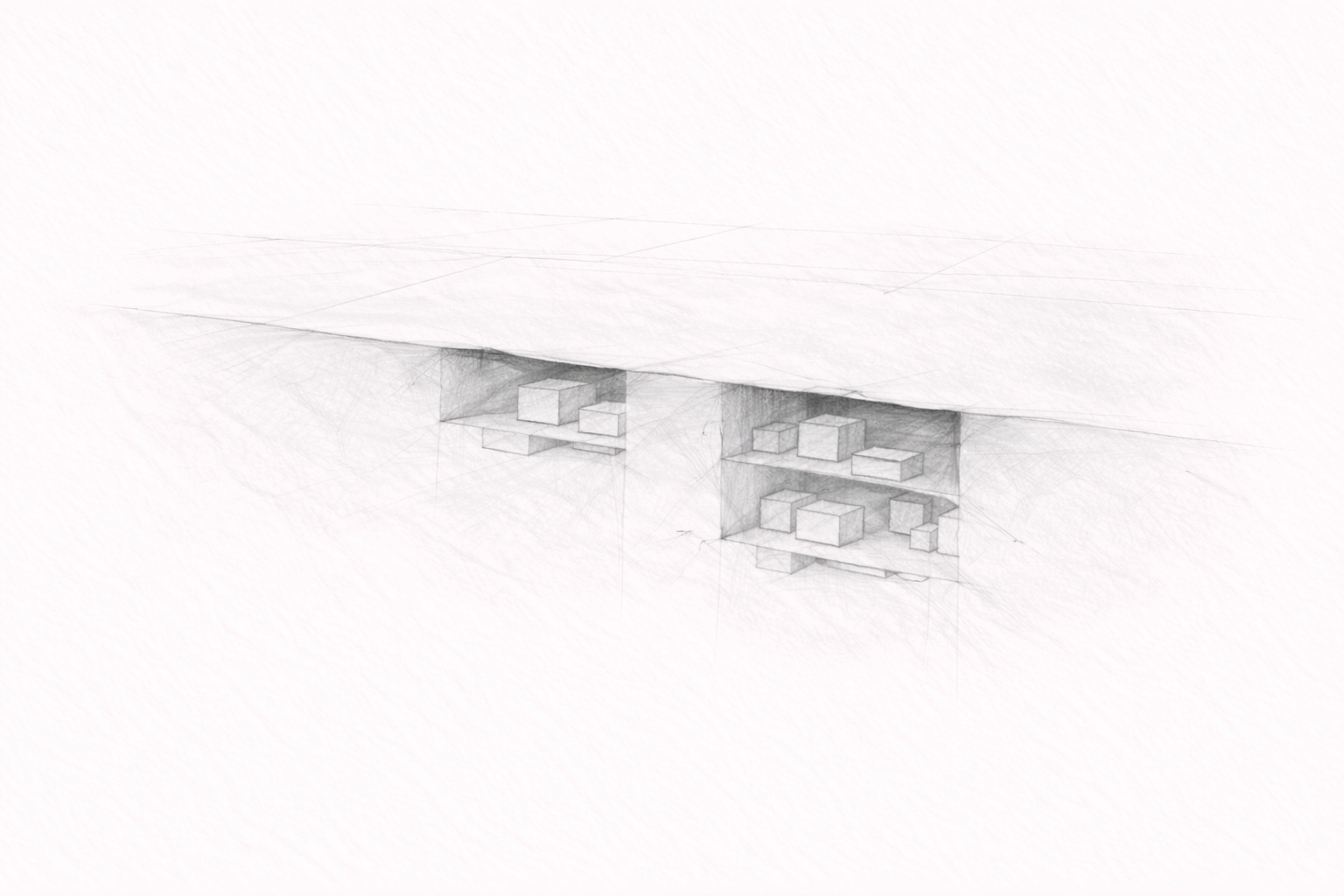
Failure Changes How You Design, If You Let It
These moments reshaped how I approach architecture and leadership.
I now insist on things I once assumed would naturally emerge.
Observability is a first class design concern, not an afterthought.
Integrations must have explicit failure modes, not hopeful ones.
Ownership must be clear before scale, not discovered after impact.
Readiness reviews changed too.
We stopped asking:
“Does it work?”
And started asking:
“How does it fail?”
“Who knows first?”
“Who is accountable when it does?”
Failure became a design input, not a postmortem exercise.
The Human System Under Stress
The most consistent pattern I have observed during incidents was not technical.
It was human.
Blame and fear distort the search for truth.
Teams optimise for not being blamed.
Uncertainty gets hidden under pressure.
When fear dominates, signals are missed.
When blame enters the room, learning leaves.
The fastest resolutions I have seen shared one trait.
Calm, non blame responses.
Not passive.
Not permissive.
But focused on understanding before assigning fault.
Systems recover faster when people feel safe telling the truth.
Designing for Learning, Not Just Resilience
Resilience is often discussed as redundancy or failover.
That is necessary, but incomplete.
True resilience is learning capacity.
Do your systems:
make failure visible
localise impact
surface weak signals early
Do your teams:
feel safe raising uncertainty
understand failure modes
know who owns what under stress
Failure teaches constantly.
Only some organisations listen.
🔥 Summary: What Failure Teaches Us
Failure is feedback, not embarrassment
Silence is more dangerous than outages
Observability is leadership, not tooling
Ownership clarity accelerates recovery
Calm responses unlock truth
🔥 The Failure Sutra
Failure is the system speaking. Silence is the real risk.
Where does failure go quiet in your system?
What breaks first when pressure rises?
And when it does, does your organisation learn or defend?