Architecture is not defined by what you want to build.
It is defined by what reality allows.
Constraints Are Not the Enemy
Early in my career, I treated constraints as things to overcome.
Budget.
Legacy.
Capability.
Organisation.
They felt like friction between vision and execution.
At the time, I told myself that good architecture should rise above these things.
It shouldn’t have to.
Experience changed that view.
Constraints are not what block architecture.
They are what shape it.
Every system is a negotiation with reality.
Ignoring that negotiation does not remove it.
It just delays the moment reality pushes back.
Constraints You Inherit and Constraints You Choose
Some constraints arrive with the system.
Regulation.
Existing platforms.
Data gravity.
Organisational structure.
Others are quieter.
Compressed timelines that feel temporary.
Optimistic assumptions about partner readiness.
Belief that skills will appear when needed.
I remember sitting in a review, nodding along to an ambitious design, knowing something felt off, but not yet able to articulate why.
On paper, it made sense.
In reality, it didn’t.
And I knew it.
Over time, I learned to ask a different question.
Is this constraint real, or is it a decision pretending to be one?
When Constraints Are Ignored
I have seen ambitious designs struggle not because they were wrong, but because they assumed a world that did not exist.
Integrations designed for asynchronous behaviour, forced into synchronous execution.
Platforms expected to scale before teams were ready to operate them.
Architectures built on skills that were planned, but not yet present.
The problem was not vision.
The problem was denial.
What followed was sobering.
When constraints are ignored, architecture becomes fragile by design.
Capability Is a First Class Constraint
One of the biggest shifts in my own approach has been how early I now assess skills and capability readiness.
Not as a risk register item.
But as a design input.
Architecture does not exist independently of the people who build and operate it.
If capability gaps exist, they must be bridged deliberately.
Through sequencing.
Through enablement.
Through simplification.
I learned this the hard way.
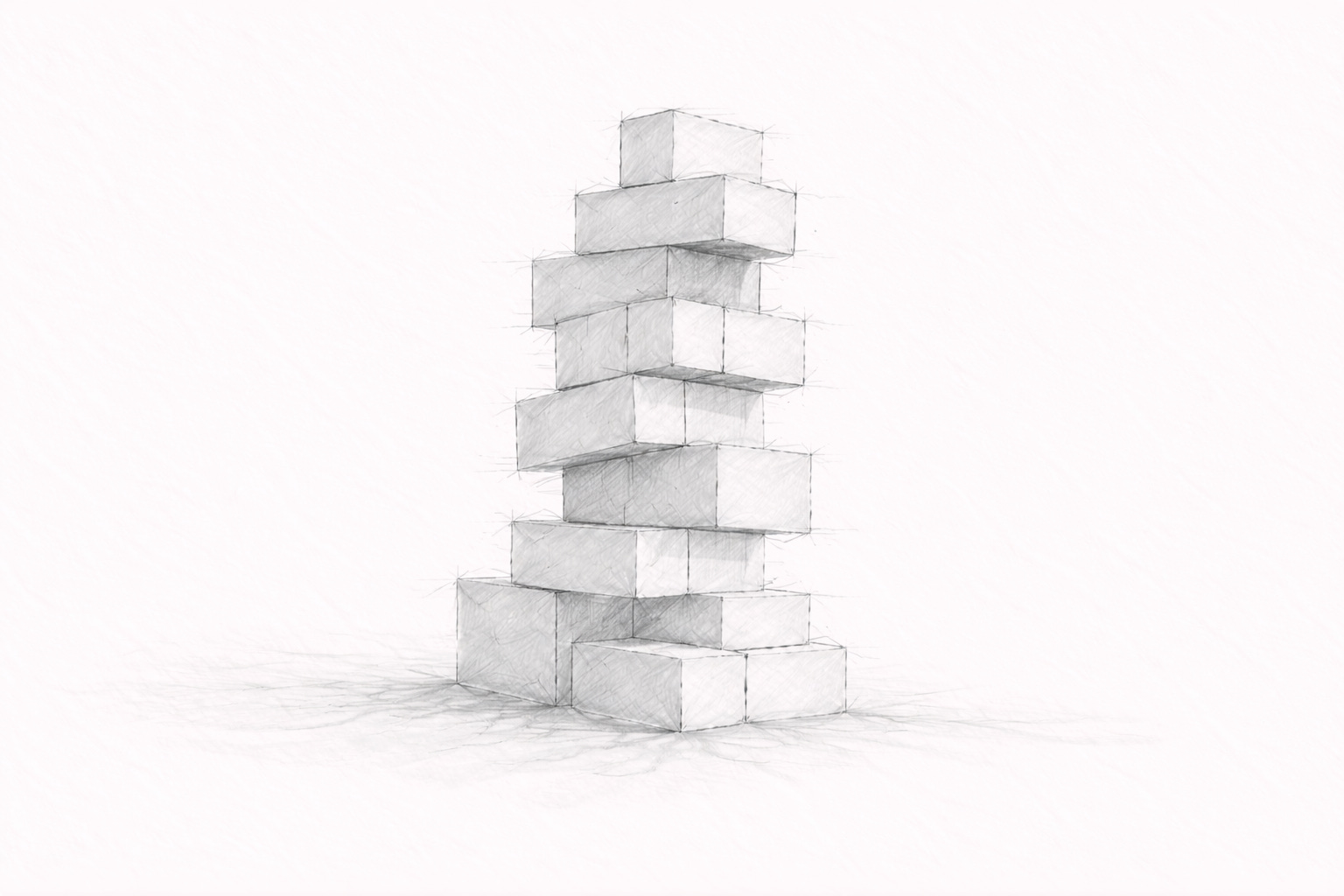
Capability is not a footnote.
It is architecture
.
The Pace of Change Is Also a Constraint
Another lesson took longer to accept.
Some transformations fail not because the architecture is wrong, but because the organisation cannot absorb change at the speed demanded.
Teams need time to learn new models.
To adapt ways of working.
To build confidence.
I used to see resistance as something to push through.
Now I see it differently.
When change outpaces learning, systems may survive, but people disengage.
Progressive evolution beats forced acceleration.
Compromises Are Often Constraint Workarounds
I have seen architectures accumulate translation layers, duplication, and workarounds.
On paper, these look like poor design decisions.
In reality, many were responses to constraints.
Limited team capacity.
Time pressure.
Uneven readiness across systems.
The mistake is not the compromise itself.
The mistake is failing to acknowledge the constraint driving it.
Unacknowledged constraints become permanent complexity.
The Constraint I Still Struggle With
Even now, I still wrestle with one tension.
Balancing ambition with realism.
Ambition drives progress.
Realism keeps systems alive.
Too much ambition ignores constraints.
Too much realism stalls change.
I do not think this balance is ever solved.
I think it is renegotiated, again and again.
Architecture lives in that tension.
Designing With Constraint, Not Against It
Good architecture does not eliminate constraints.
It makes them visible.
Chooses which ones to respect.
Sequences change deliberately.
Designs for today while moving toward tomorrow.
This is not pessimism.
It is responsibility.
Summary: What Constraints Teach Us
Constraints shape architecture more than vision
Capability is a design input, not an afterthought
Change pace limits what systems can absorb
Ignored constraints create fragile systems
Judgement is the real architectural skill
The Constraint Sutra
Reality always gets a vote. Architecture decides whether to listen.
Which constraints are shaping your system today?
Which ones are real?
Which ones are convenient?
And which ones are being ignored in the name of speed?